Make Room for Magic
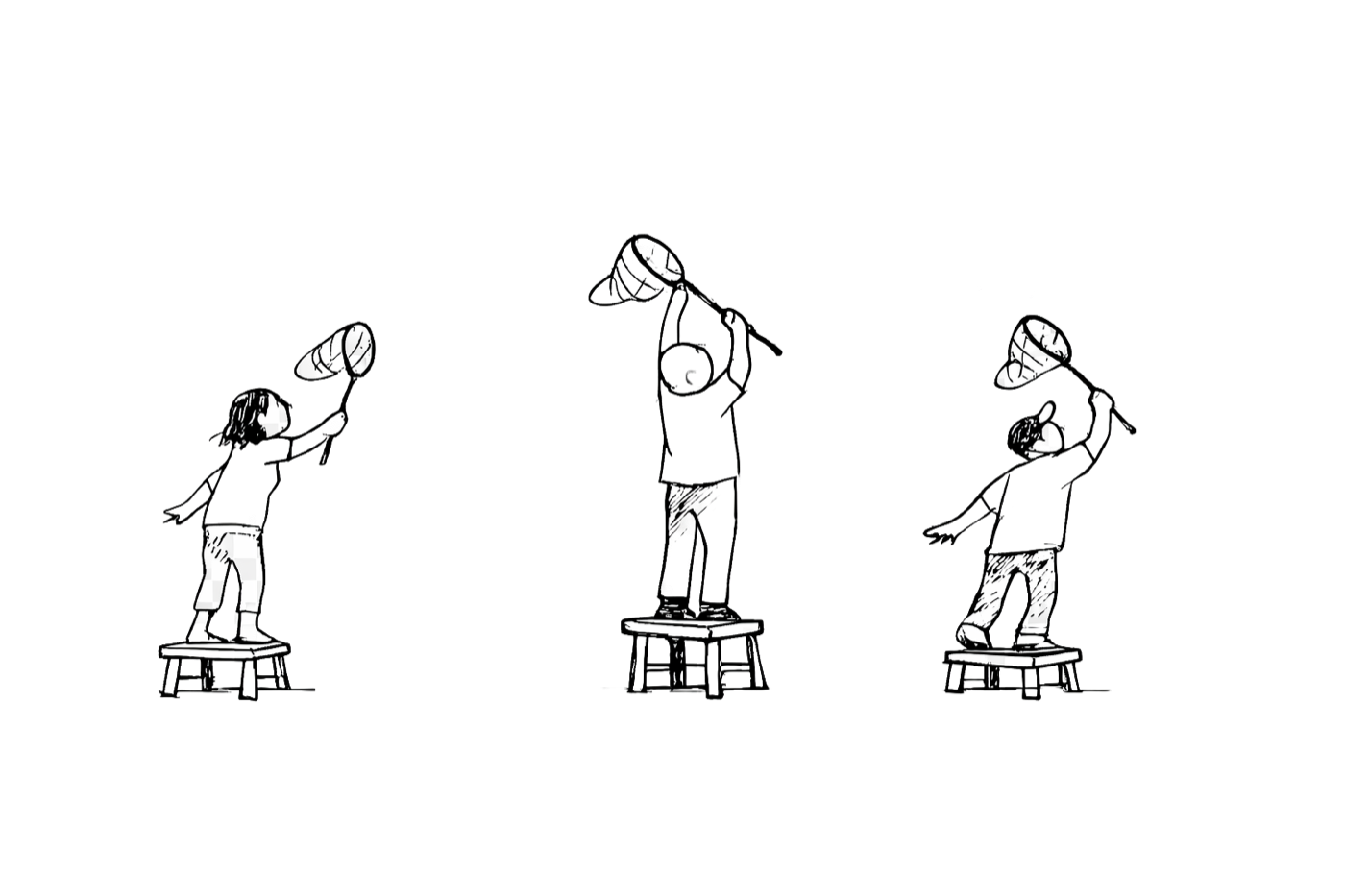
I spent a lot of my career at agencies, and a huge part of what people admired in that world was the magic. The lightning-in-a-bottle moment. The reason work-from-home was such a threat to agency culture wasn't productivity. It was that the magic was supposed to happen in the room. You grind for hours, you chase the brilliant idea, you find it, everyone cheers. That's what clients were paying for. That's what won awards.
But in the product world, and in the digital space in particular, I kept running into organizations that couldn't support that kind of exploration even if they wanted to. The foundation wasn't sturdy. Technical debt. Design debt. No shared vocabulary. No organizational understanding of what they were trying to accomplish digitally, whether that was a website, an app, or a marketing automation campaign.
So I started gravitating toward a different question. Not "where's the magic?" but "how do we build a foundation strong enough to go looking for it?"
What 80% Actually Looks Like
When I talk about foundational excellence, I'm talking about the operational reality that makes good work repeatable.
Shared understanding about systems. A process that involves multiple stakeholders at the outset and maintains collaboration across disciplines and departments. A shared vocabulary precise enough that people can convey detailed ideas without ambiguity. Documentation thorough enough that when someone gets an assignment, most of the answer is already there. They're not slacking six people to figure out the basics before they can start designing.
I used to teach at Scottsdale Community College, and I noticed the same dynamic in the classroom. If I gave an incredibly open-ended assignment ("come up with a brand and apply it to a brochure") students would struggle. But when I got specific ("you have an outdoor brand, we're making a three-panel brochure for their new backpack, design that") the outputs were dramatically better. Not because the students were different. Because the guardrails freed them to focus on the actual creative problem instead of flailing through the ambiguity.
Organizations work the same way. The ones that already have foundational excellence are giving people assignments with guardrails built in. Or at least making it possible for people to build the guardrails themselves with high confidence. The ones without it? Everyone's fighting. Fighting systems, fighting legacy tech decisions, fighting the absence of real answers. Opinions fill the vacuum where data should be. And it's a nightmare.
From F to Passing
I had a credit union client in Colorado that was the textbook case. The site was a mess. The tech was a mess. Inaccessible. Systems that weren't well connected. Band-aid on top of band-aid. House of cards. Disconnect between the experience designers and their consumers. Disconnect between marketing and visual design. Teams fighting each other because they were really fighting the absence of shared understanding.
First thing we did wasn't design. It was building shared understanding around what the problem actually was. Shared hypotheses about what solutions might exist. What questions needed answering. And then being cutthroat about prioritizing those questions. Building the understanding together, as a team: these are the things we need to answer so we can all do the work better and better serve our customers.
It took about 24 months from start to ship. The result was a robust design system, improved engineering efficiencies, and a site that earned AA WCAG certification from a third-party accessibility company. A real, certified accessible design system applied across a financial services site at a scale that didn't just lead the local market. It wasn't even dreamt of at the start of the initiative.
That work stayed more or less intact for years. The visual system, the organizational structure, the processes. And a huge part of that durability was having built the relationships and the processes and having taught everyone in the room that everyone gets heard, but not everyone gets the final say. Most people understand that distinction once you make it clear.
What the Last 20% Actually Feels Like
Once you have the 80%, the operational floor, something shifts. You stop asking "how do we fix this?" and "how do we avoid that?" and start asking deeper, more interesting questions. It's proactive instead of reactive. And it feels completely different.
The best example I can give is a fast casual restaurant I worked with. Two locations. Over the pandemic, we got them digitally transformed to a place where they had parity with industry leaders. Their consumers could expect the same quality of digital experience they'd get from the big chains. The foundation was solid.
But they weren't nailing the product side. There was room to outpace their competition online. And because we had that foundational excellence in place, we knew where and what to play with.
One of the most interesting things we did was throw out the normal landing experience for returning users. If you'd placed previous orders, if you were a logged-in frequent visitor, when you hit their URL you skipped the marketing banners and the sign-in flow entirely. Two clicks to reorder. Three clicks to checkout.
We'd found in our research that there was a very distinct lunch crowd and dinner crowd, sometimes the same person in two entirely different modes. The dinner crowd was stuck in traffic, running late from practice with the kids. They didn't want a hassle. They didn't want to be on their phone in the car. So we made it so that frequent visitors could reorder their go-to meal with two taps. Have it ready in ten minutes. Scoop it up on the way home. Problem solved.
That bet lined up with the organization's goals, but it's not the kind of bet you can make without solid foundational understanding of what your consumers want and where the opportunities are. And knowing that if your hypothesis is wrong, the worst thing that happens is you spent some time and money trying to get better. The core business is still completely intact behind you.
That's the safety net most organizations fail to build. And without it, every experiment feels like a gamble instead of a test.
When the Framework Breaks
Not every organization can get to the 80%. Sometimes the foundation itself is broken enough that the whole thing could collapse.
I worked with a property developer once where we did really good work. Solid research, solid strategy, solid output. But we got to the point where explanations, data, and rigor aside, the principal just didn't like it. Couldn't get past his particular subjective taste. And no amount of foundational excellence was going to override that.
In that case, the best we could do was build and deliver to their liking in a manner consistent with the quality we could output. Sometimes the best you can do is leave it better than it was when you got there. Or at least leave them with a way forward that's more realistic than the one they were operating under.
Sometimes it's not even about foundational excellence. Sometimes the foundation is so broken that stabilization is the win. If a company is at an F, and I can get them to a D or a C-minus? I feel really great about that. And I think you have to be honest about that possibility going in. It's why I love discovery work. The rigor built into discovery is what tells you whether you're building toward an A or just trying to stop the bleeding.
The Box of Crayons
There's a lot of lionizing in this industry around the people who live in the 20%. The wild idea that's so crazy it might work. I have friends who come up with ideas where I think "that is wild, and I'm so jealous it's not mine." And sometimes I've been that person. The pregnancy loss experience in BumptUp. The way spectator mode works in Rookly. The crowd-breaking decision to put actual people into product photography for Alta when the entire window fashions category was beige and empty.
Those are exciting. There's something thrilling about that kind of work. But there's also something very blue collar in the way I like doing work. Taking a group of disparate departments or resistant stakeholders or organizations holding on to their past with everything they've got and bringing them forward. Getting them on the same page. Getting them excited about the same future.
Getting to the 80% is a grind. I won't pretend otherwise. But delivering that kind of freedom to a team? That's the part I love most.
I love the idea of getting a team comfortable enough that when we're done, when I'm no longer in the room, they come in that next Monday excited to get to work. They have a whole new box of crayons they never had before. A whole new suite of tools. A whole new world of questions they can now answer with confidence. That's more exciting to me than any award.
I've long held the position that winning awards is great for some people. I've never won one. I hope I never do, as long as I keep winning new business for clients. Making sure the teams I'm on blow everyone's mind with how much we succeed. That's the metric that matters.
The foundation doesn't get the standing ovation. But it's what lets everyone in the room dream without worrying about whether they'll still have a job the week after.
That's the magic. Not the lightning bolt. The room you built that's safe enough to go looking for one.